A Public Safety Message for Beachwalk

A Public Safety Message from Peter Martin

A Wake-Up Call for Beachwalk

What Happened to Our Neighbor Could Happen to Any of Us

By Peter MartinBeachwalk Resident & Former Volunteer Firefighter8 min read
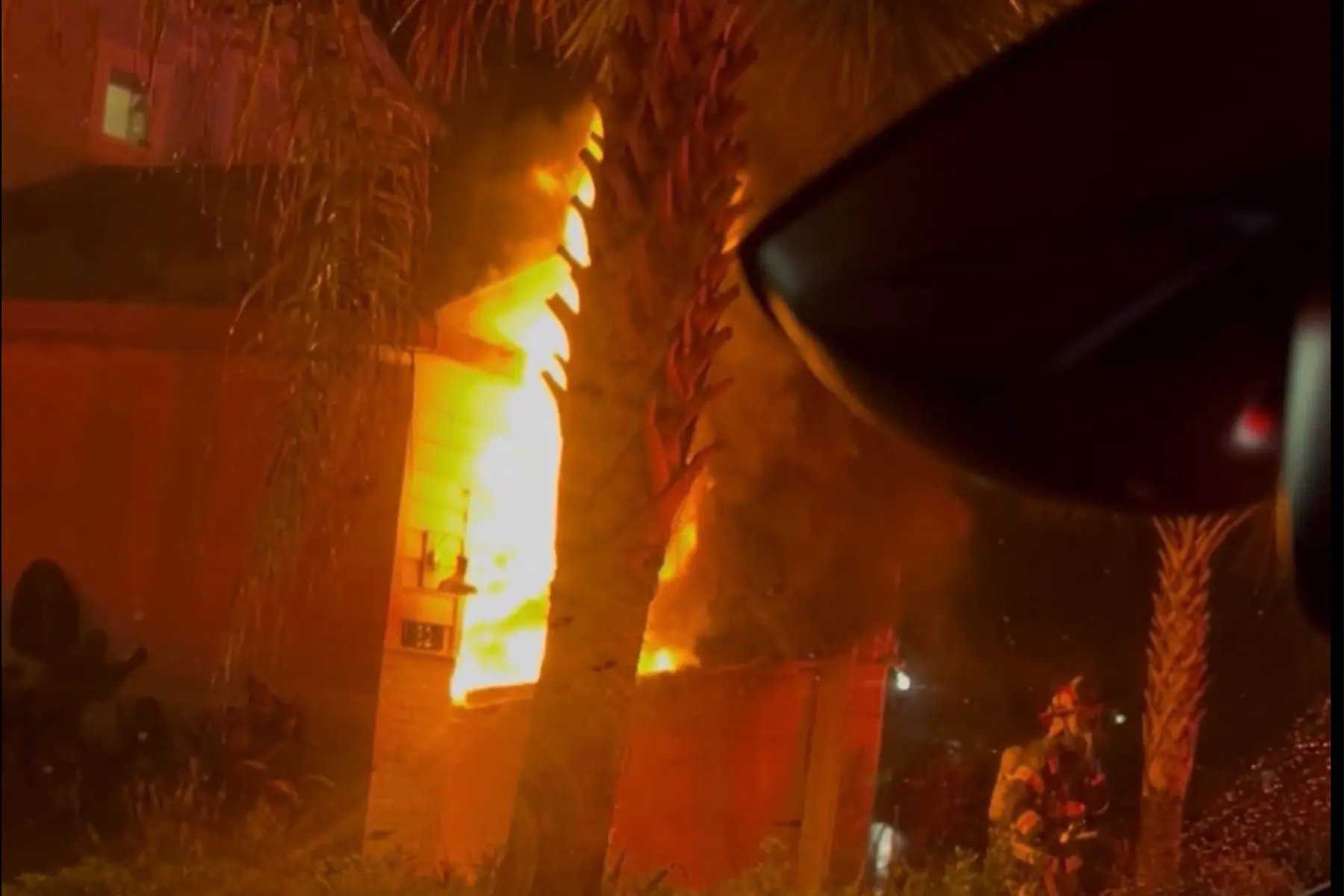
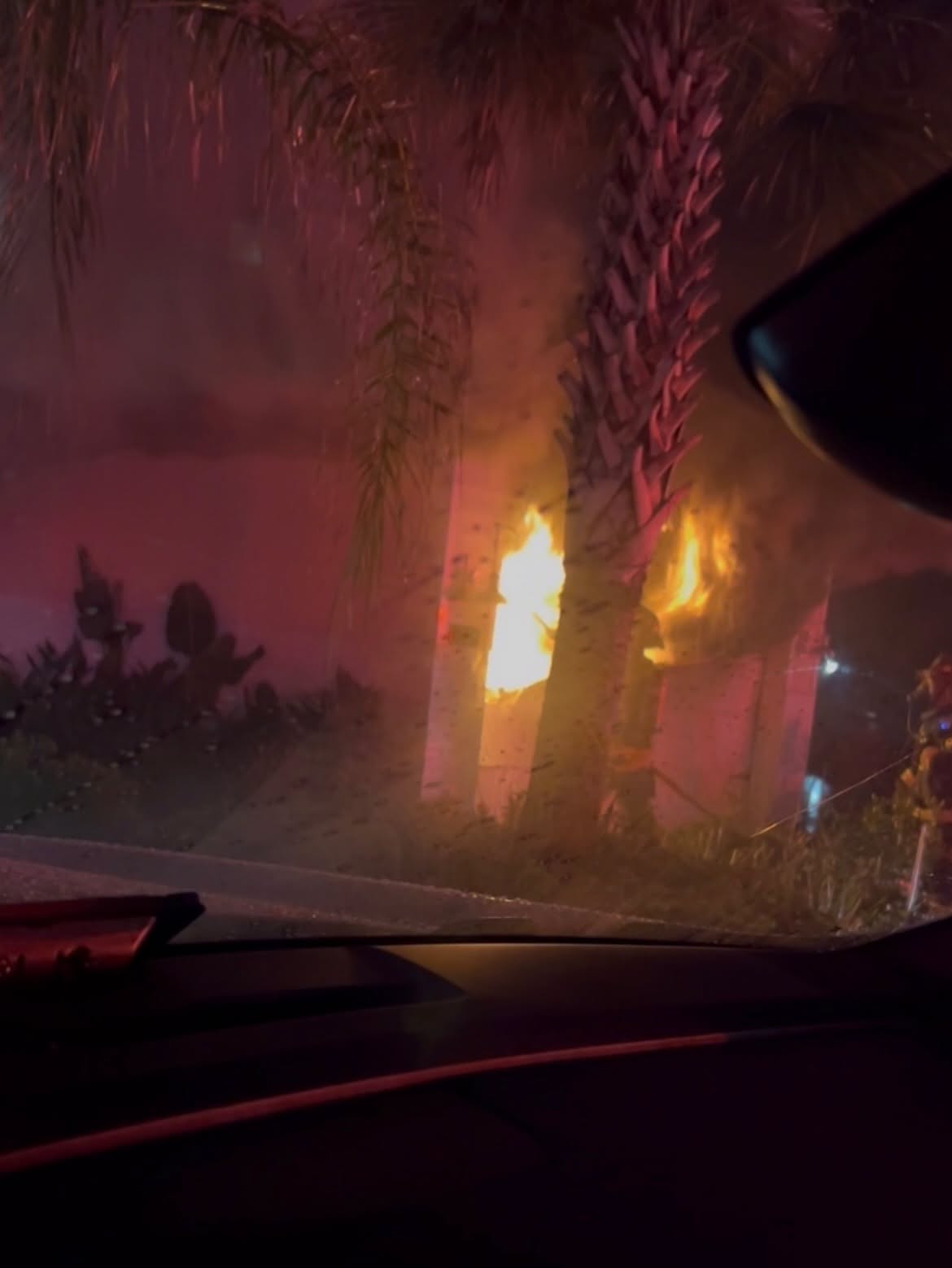
Fire visible inside a Beachwalk home's attached garage at night.
A recent garage fire in our Beachwalk community.
A fire can go from a small problem to a life-changing tragedy in just a matter of minutes.

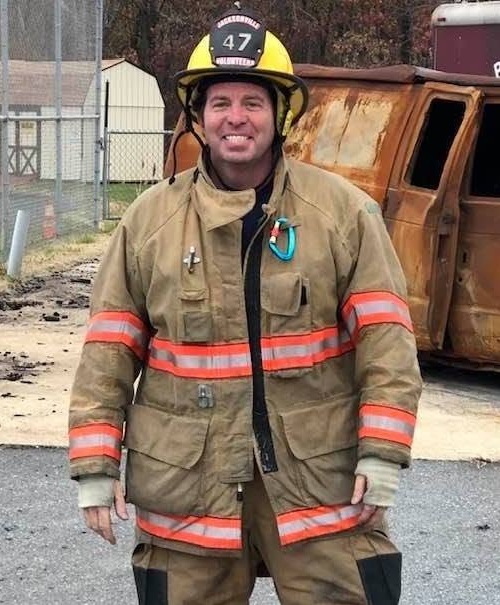
As many of you know, before moving to Florida, I served as a volunteer firefighter. The experiences I had during those years taught me lessons that have stayed with me for the rest of my life. One of the most important is this: a fire can go from a small problem to a life-changing tragedy in just a matter of minutes.

Fire doesn’t care how careful you usually are. It only takes one moment.

Recently, our Beachwalk community experienced something that hits very close to home.

One of our neighbors lost his garage in a devastating fire that investigators believe started with an e-bike. The fire and the efforts required to extinguish it caused extensive damage to the garage, including the collapse of materials from the attic space above. Thankfully, the family escaped safely along with all of their dogs.

They were fortunate.

The outcome could have been much different.

Watching something like this happen in our own neighborhood made me feel compelled to share what I’ve learned over the years in hopes that it might prevent another family from experiencing the same nightmare.

This article isn’t meant to scare anyone.

It’s meant to educate all of us.
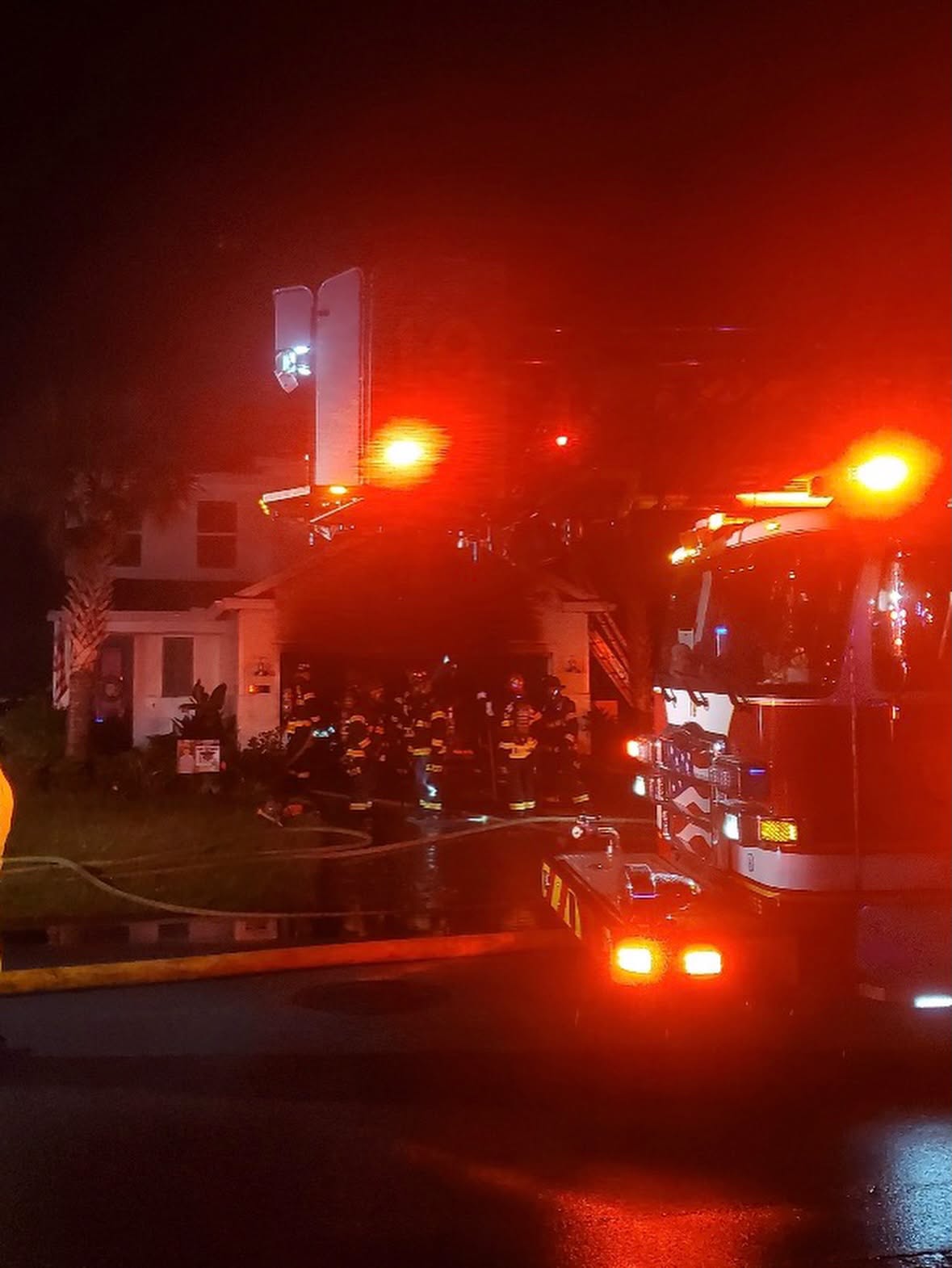
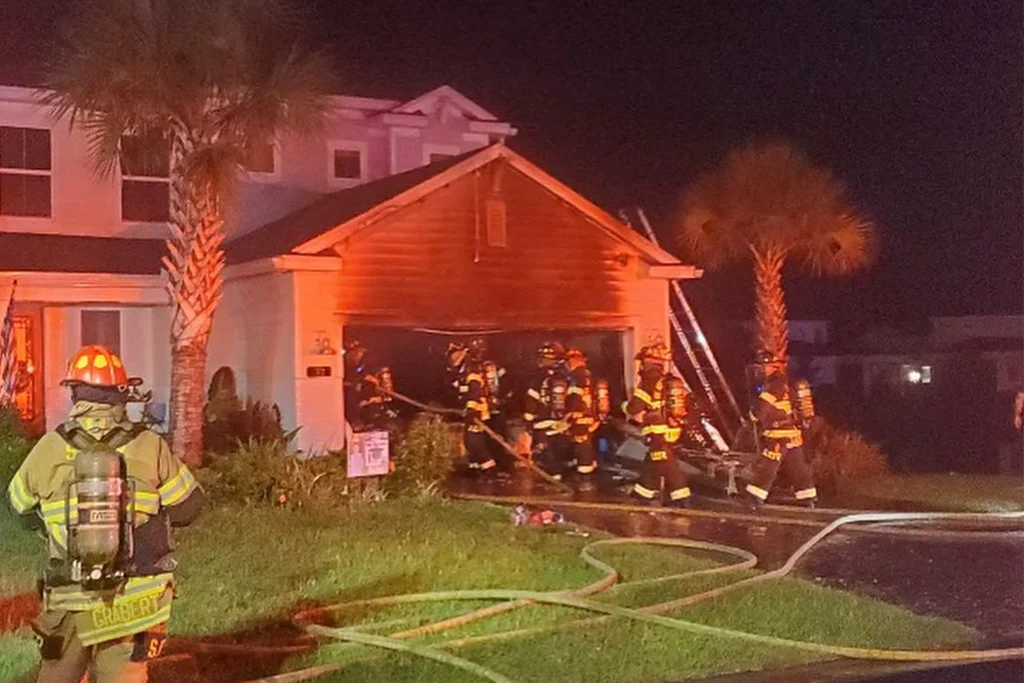
Firefighters and emergency vehicles responding to a garage fire in Beachwalk.
Fire crews responded quickly to the garage fire in our Beachwalk community.
Fire visible at the exterior of a Beachwalk home during the emergency response.
The fire and the effort required to extinguish it caused extensive damage to the garage.

Florida Heat Makes the Risk Even Greater

Living in Florida means our garages become ovens.

Even when it’s only 92°F outside, the temperature inside a closed garage can easily climb well over 120°F—and sometimes much higher during the afternoon.

That heat is hard on every rechargeable battery we own.

This includes:

  • E-bikes
  • Electric scooters
  • Golf carts
  • Power tools
  • Lawn equipment
  • Backup battery packs
  • Hoverboards
  • Portable power stations
  • RC vehicles
  • Some medical mobility devices

Most of these use lithium-ion batteries.

While these batteries are incredibly efficient, they also contain an enormous amount of stored energy.

When damaged, overheated, improperly charged, or manufactured with defects, they can enter something firefighters call thermal runaway.

Once thermal runaway begins, the battery creates its own oxygen and burns at extremely high temperatures. Water alone may not stop the reaction immediately, and nearby battery cells can ignite one after another. Fire safety organizations, including the U.S. Consumer Product Safety Commission and the National Fire Protection Association, have warned that lithium-ion battery fires can spread rapidly and are extremely dangerous.

Why Garages Are Especially Dangerous

Most of us naturally store these items in our garages.

It seems like the logical place.

But think about what else is in there:

  • Gasoline
  • Paint
  • Cleaning chemicals
  • Cardboard boxes
  • Storage bins
  • Vehicles
  • Wood shelving
  • Lawn chemicals

Before long, what started as a small battery problem can become a fully involved garage fire.

The intense heat, flames, smoke, and large volume of water needed to extinguish a fire can also cause severe structural damage. Materials stored in or forming part of the attic space may collapse into the garage, making the situation even more dangerous for residents and firefighters.

That is what happened in our neighborhood.

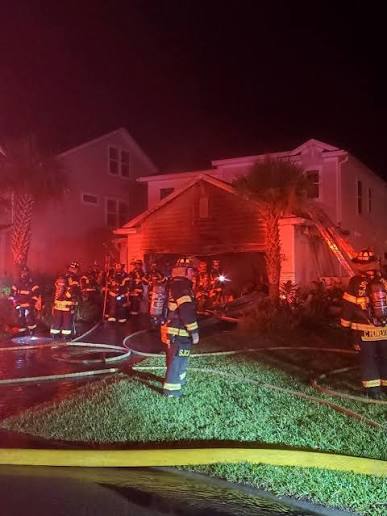
Firefighters working outside the damaged garage after the fire.
Extensive damage to the garage after the fire was brought under control.

The Biggest Mistake Many Families Make

Many people plug in their e-bike or power tool when they get home.

Then they go inside.

Some charge overnight.

Some charge while they’re asleep.

Some charge while they’re at work.

That means if something goes wrong, the battery can burn for several minutes before anyone even knows there’s a problem.

Those few minutes can be the difference between replacing an e-bike and losing an entire home.

The Smoke Detector Most People Don’t Have

This was something I wanted to research after hearing about our neighbor’s fire.

Most homeowners assume a smoke detector in the hallway is enough.

It may not be.

The U.S. Fire Administration explains that traditional smoke alarms are generally not recommended inside garages because dust, humidity, vehicle exhaust, and temperature changes can cause nuisance alarms. Instead, it recommends using a heat alarm or heat detector specifically designed for garage environments.

Better yet, it should be interconnected with the home’s smoke alarm system so that if the garage detector activates, every alarm in the house sounds immediately.

If your garage is attached to your home, there are two improvements worth considering.

Two Layers of Protection

Install a garage-rated heat detector.

Choose a UL-listed model designed for garage environments and, when possible, interconnect it with the rest of the home’s alarm system.

Install a smoke alarm near the garage entry.

Place it inside the house, above or near the door connecting the garage to the living area.

That combination provides two layers of protection. For families with bedrooms above the garage, early warning becomes even more important.

Charging Batteries Safely

Here are some recommendations from fire safety experts that are easy to implement:

  • Never charge batteries overnight while everyone is sleeping.
  • Never charge batteries when no one is home.
  • Use only the charger supplied or approved by the manufacturer.
  • Stop charging once the battery reaches full capacity.
  • Keep batteries away from gasoline, cardboard boxes, paint, propane tanks, and other flammable materials.
  • If a battery has been dropped, damaged, or submerged in water, stop using it and follow the manufacturer’s guidance for safe replacement and disposal.
  • Never continue using a battery that has been recalled.
  • Charge batteries on a hard, nonflammable surface.
  • Give charging batteries room to breathe. Don’t cover them with towels or other materials.
  • Keep exits clear so you can escape if a battery ignites.

Warning Signs You Should Never Ignore

Stop using the battery immediately if you notice:

  • It becomes unusually hot while charging.
  • It swells or changes shape.
  • It smells like chemicals or a sweet solvent.
  • It begins hissing or making popping sounds.
  • Smoke appears.
  • The charger repeatedly shuts off.

Any one of these could indicate internal battery damage. Move away from the battery, keep others clear, and call 911 if there are signs of smoke, fire, or immediate danger. Do not handle a battery that is hot, swollen, smoking, or making unusual sounds.

One More Piece of Advice from an Old Firefighter

Over the years, I’ve responded to more fires than I care to remember.

Almost every family says the same thing afterward:

“We never thought it would happen to us.”

Neither did our neighbors.

Fortunately, everyone made it out safely.

Next time, another family may not be as lucky.

A Simple Safety Checklist for Every Beachwalk Family

Take ten minutes this weekend and ask yourself:

If these questions reveal gaps in your home’s safety plan, today is a good day to make a few changes.

Firefighters gathered at the garage during the emergency response.
Our neighbors. Our firefighters. Our community—working together when it matters most.

We’re All Neighbors

One of the things I love most about Beachwalk is the sense of community. We look out for one another, celebrate together, and help each other when times are tough.

I hope this article never applies to your family.

If sharing it helps prevent even one house fire or saves one life, then it was worth writing.

Please consider sharing this with your friends and neighbors. Sometimes the best way we can care for our community is simply by passing along information that could make all the difference.

Stay safe, Beachwalk.

Peter Martin in volunteer firefighter turnout gear
Signature of Peter Martin

Peter Martin

Beachwalk Resident | Half of The Culinary Duo

Former Volunteer Firefighter

Let’s keep Beachwalk safe, together.

This article is hosted by

The Culinary Duo